Kids Multivitamin Gummies vs Tablets: What Parents and Brands Need to Know
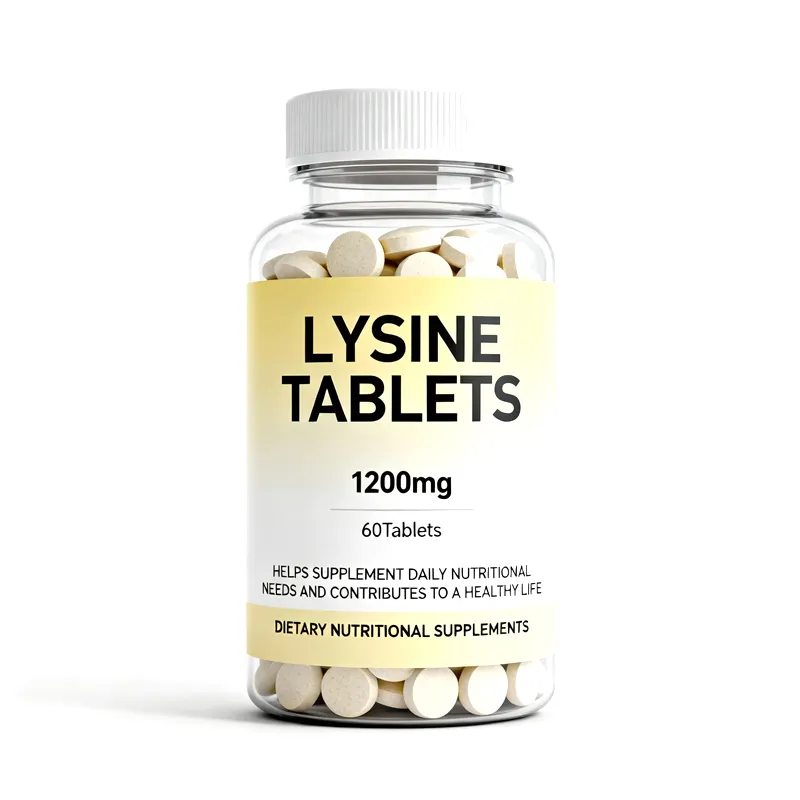
The format decision drives the whole product
When a parent stands in front of a shelf of kids multivitamins, the format is the first decision they make. Taste, ease of taking, mess, and how it fits into the morning routine all matter more than the precise vitamin mix on the back label. Choosing the right format for your brand is therefore not a formulation detail \u2014 it\u2019s a positioning decision.
Gummy kids multivitamins
Pros: excellent palatability, children see them as a treat, low parental stress at administration, social-media-friendly packaging. Cons: sugar or sugar-substitute load to mask flavor, lower active dose per piece, more expensive per serving, sometimes stickier or staining if poorly formulated.
Chewable tablets
Pros: higher active dose per piece, more stable in tropical climates, lower cost per serving, can include minerals that are difficult in a gummy matrix. Cons: chalkier mouthfeel, often need stronger flavoring, less \u201ctreat-like\u201d appeal for fussy children.
Traditional tablets
Pros: lowest cost, highest stability, no flavor system required. Cons: children resist swallowing them, parental administration is a daily friction point.
Liquids and drops
Pros: precise dosing for infants and toddlers, easy to mix into drinks or food. Cons: shorter shelf life once opened, less portable, harder to ship in hot climates.
What parents actually care about
Three things consistently drive repeat purchase in this category:
- \u201cMy kid will actually take it.\u201d Format and taste matter more than the precise nutrient list.
- \u201cIt doesn\u2019t have the bad stuff.\u201d Parents look for no artificial colors, no high-fructose corn syrup, allergen-friendly labeling.
- \u201cI trust the brand.\u201d Third-party testing, clear ingredient sourcing, and a transparent label build trust.
What brands need to know about formulation
For gummies, the matrix limits how much iron and certain minerals you can deliver without compromising texture. For chewables, you have more room but need to manage aftertaste. For liquids, you need to manage stability of vitamins like C and B-complex that degrade faster in solution. A good OEM partner will help you land on the right format for your hero ingredient story.
Recommendation by brand stage
- Pre-launch brand: Gummies are the easiest entry point for consumer adoption.
- Growing brand: Add a chewable SKU to capture parents who want higher doses.
- Established brand: Layer in liquids or sticks for infants and travel SKUs.
Bottom line
Format is positioning. Pick the format that matches your hero consumer, then build the formulation to match the format \u2014 not the other way around.
Allergen and dietary positioning
The kids category is unforgiving on allergens. The most credible brands formulate for the most restrictive case first: nut-free, gluten-free, dairy-free, no artificial colors, and ideally low-sugar or sugar-free using natural sweeteners. If you can claim all of these, you dramatically expand the addressable audience and earn trust with the parents who research labels more than anyone else on the supplement shelf.
Practical packaging notes
Child-resistant closures are now table stakes in this category. Beyond safety, packaging has to communicate the format and flavor clearly on the front of the bottle \u2014 a strawberry gummy multivitamin that looks like an adult capsule from three feet away will not convert. Many brands now add a transparent window or a clear flavor icon to remove ambiguity. Stick packs and travel-size multi-packs are a fast-growing sub-format for families that travel, share custody, or simply want a portable option for weekends away from home.